


As students work their way through the educational process, there’s plenty to be learned inside the classroom.
But it certainly doesn’t ever stop there — not when the real world comes calling, as it does for everybody at some point.
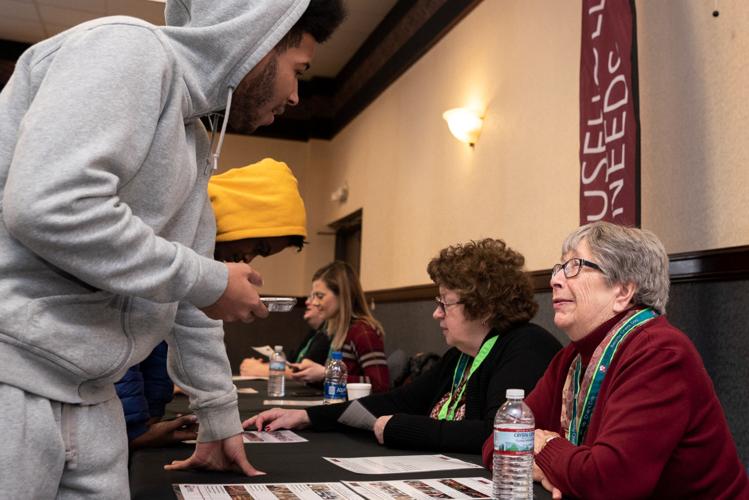
And to that end, Educators Credit Union has continued to provide real-life experiences for hundreds of high school-aged students in Racine and Kenosha counties the past 16 years.
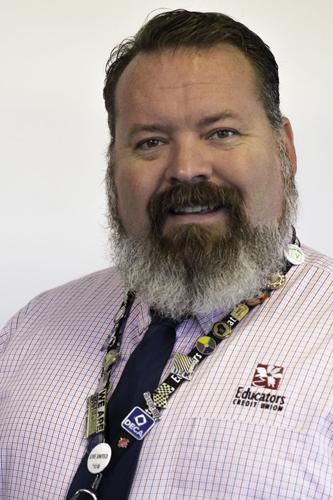
To put it simply, the team, led by Victor Frasher, Educators’ director of community Engagement has given the students a huge dose of reality. Hence the name, Reality Check.
The program, which began in Racine Unified School District, has expanded to 20 schools this year, including schools in the Kenosha Unified School District, Wilmot Union High School District, Milwaukee Public Schools, and the Pewaukee School District.
People are also reading…
At the heart of Reality Check is a mock scenario that takes place five to 10 years after a student graduates high school or college, they pick a career, and in this pandemic era, the simulation sets up the rest, Frasher said.
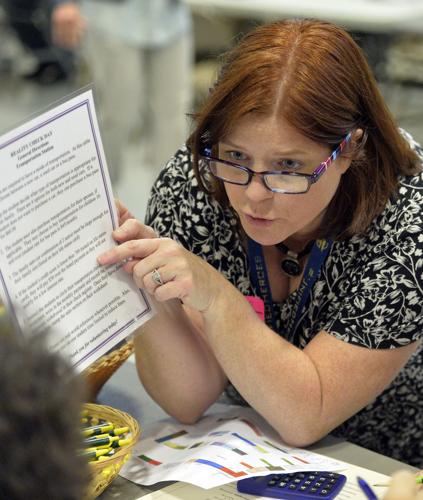
For example, if a student chooses to be an accountant during the simulation, there are a number of scenarios that guide them through their mock life.
“That’s what the simulation does,” Frasher said. “It shows them exactly what their salary will be as an accountant. Then we kind of randomize things for them.”
Frasher said students may have a family, be married, divorced, have pets, pay or receive child support, and even may be given a randomized credit score. That final piece is one that young people oftentimes don’t even think about, he said.
“One of the things students don’t really appreciate is how impactful score is on your adult life,” he said.
And the simulation, which until the pandemic was held live at each participating school, doesn’t even come close to ending there.
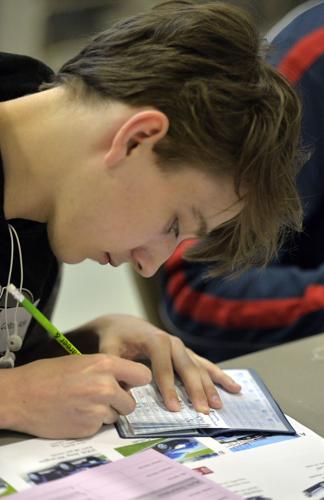
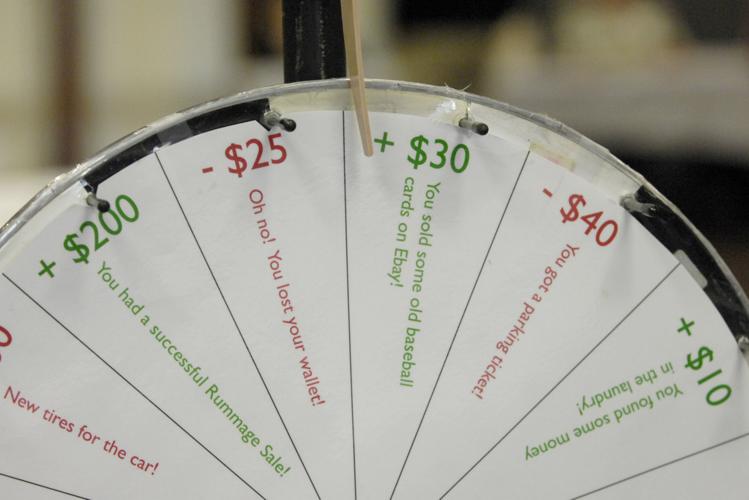
Students are required to “purchase” a home, pay for utilities, transportation, entertainment and clothing, all on a budget, Frasher said. At the end, they also could be hit with an unforeseen situation, such as a major expense or a traffic ticket.
It’s all part of the real life they soon will face when they get out into the world.
“We really put a lot of things in there that us as adults are paying for every month,” Frasher said. “We’re paying rent. We’re paying the mortgage. We’re going to to the grocery store. We’re paying for utilities. Not entertainment as much lately with COVID. But all those things that students don’t really think about being in high school, how expensive their life can be.”
As part of the program, the Educators Credit Union team compiled about 60 different careers and matched them with the average salary a Wisconsin resident could expect to earn.
That brings an extra element of realism into things, Frasher said.
“It’s not that pie-in-the-sky or unrealistic number,” he said. “If (the career is a) welder, that’s how much an average welder makes in Wisconsin. We try to have a good smattering of careers. We couldn’t put every single career in there, but we tried to get different areas and different fields in there that are going to apply to a wide range of students.”
The pandemic effect
Frasher, who said there are still programs to finish at Tremper, Bradford, Wilmot, Delavan-Darien and Kettle Moraine high schools, added that he’s been pleased at how truly seamless the transition has been to a virtual setting this year because of the pandemic.
The team put together a number of additional activities, including poll and chat questions and a video from members of ComedySportz in Milwaukee in an effort to keep things fresh and interesting.
And by all accounts, those additions in a tough situation have served all parties well.
“At this stage of the game, we know that everyone is kind of getting that Zoom fatigue,” Frasher said. “We really wanted to make sure that it was engaging for the students, and they had a way of interacting with our team that’s helping them out with the Reality Check experience.”
The response has been positive from teachers, Frasher said, who appreciate the efforts put forth to keep the program going during such an unusual time.
“We’ve gotten a ton of positive comments back from teachers, just thanking us for having something different for the kids to do other than just a video to watch or another Zoom meeting to go to,” he said. “They’re really accepting of us and very happy that we were still able to continue it on.
“When we talk to the students in the live version, they’re always just so overwhelmed and excited about it, and there will still be a buzz in the school a couple days after. Kids are still talking about the experience a couple days after, even after the virtual experience. So to know that it’s still resonating with them is really all we can ask for.”
At the end of the day, Frasher and his team hope the students can take at least parts of the program with them moving forward.
“We really try to tell them, ‘We’re just planting the seeds. These are the things you’re going to need to know about, and here’s a fun way, hopefully you’ll take some of the lessons with you,’” he said. “Financial literacy is definitely one of those life skills that you can take with you after high school.
“The world comes at you quick.”


